Extreme Loneliness in Elderly People and the Rising Need for Companionship
· 8 mins read
1. Executive Summary
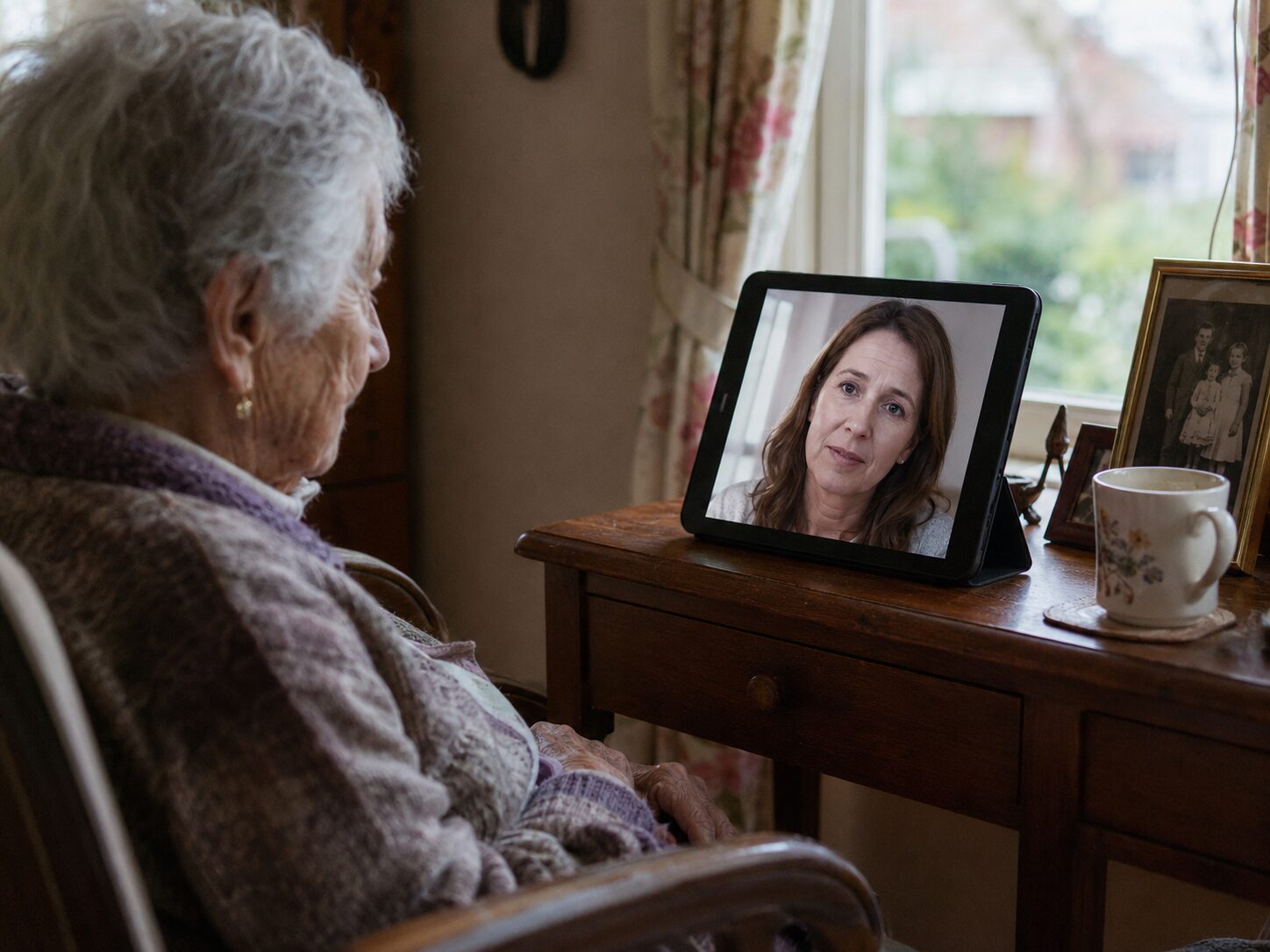
Extreme loneliness among older people is becoming one of the most significant yet under-recognised public health and social care challenges of our time. While ageing populations have increased demand for healthcare and support services, the emotional and social needs of older adults often remain unmet. Loneliness is no longer viewed as simply an emotional experience. It is now recognised as a risk factor for poor physical health, declining mental wellbeing, increased healthcare utilisation and reduced quality of life.
In the United Kingdom, Age UK estimates that around 940,000 people aged 65 and over often feel lonely, while approximately 270,000 older people in England go at least a week without speaking to a friend or family member (Age UK, 2024). As more people choose or need to remain living at home, the demand for reliable companionship services continues to grow. These services help address loneliness, promote independence and provide reassurance for both older people and their families.
2. Understanding Extreme Loneliness
Loneliness should not be confused with simply living alone. It is the distress experienced when an individual's social relationships are fewer or less meaningful than they would like. A person may live independently while maintaining strong social connections, whereas someone surrounded by others may still experience profound loneliness.
Extreme loneliness is characterised by persistent social isolation, limited meaningful interaction, emotional distress and a diminished sense of belonging. Among older adults, it commonly develops following bereavement, retirement, declining health, reduced mobility, sensory impairment, dementia, family separation or the gradual loss of long-standing friendships.
Unlike temporary loneliness, prolonged isolation often becomes self-reinforcing. Older adults who feel lonely may withdraw further from social activities, creating a cycle that becomes increasingly difficult to break.
3. The Scale of the Problem
The UK's ageing population means loneliness is becoming an increasingly important policy issue.
According to the UK Parliament Library, approximately 12.7 million people were aged 65 years and over in 2022, representing around 19% of the UK population. By 2072, this figure is projected to reach 22.1 million people, accounting for approximately 27% of the population.
The Centre for Ageing Better estimates that England alone will have 3.3 million additional people aged over 65 within the next twenty years.
Loneliness is already widespread within this population.
Age UK estimates that:
- Around 940,000 people aged 65 and over often feel lonely.
- Approximately 270,000 older people in England go at least one week without speaking to friends or family.
The Office for National Statistics has also found that older adults who live alone, have long-term health conditions or have limited mobility are significantly more likely to experience chronic loneliness than the wider population.
These figures indicate that loneliness is not an isolated experience affecting a small minority. It is a growing population-level challenge that will continue to expand alongside demographic ageing.
4. Why Older Adults Are Especially Vulnerable
Several factors combine to make older adults particularly susceptible to loneliness.
Bereavement
The death of a spouse, sibling or lifelong friend often removes the person's primary source of emotional support and daily companionship.
Reduced Mobility
Arthritis, frailty, disability and chronic illness frequently reduce opportunities to leave home and participate in community activities.
Retirement
Retirement often removes regular social interaction, routine and a sense of identity that employment previously provided.
Family Separation
Modern families are increasingly geographically dispersed. Adult children may live in different cities or countries while balancing careers and caring responsibilities of their own.
Health Conditions
Visual impairment, hearing loss, dementia and chronic disease can make communication and social participation increasingly difficult.
The Campaign to End Loneliness identifies poor health, widowhood, living alone and lack of emotional support as some of the strongest predictors of loneliness in later life.
5. Health Consequences
Loneliness is increasingly recognised as a major public health challenge.
The World Health Organization states that social isolation and loneliness have serious consequences for physical health, mental wellbeing, quality of life and longevity.
Research demonstrates that chronic loneliness affects far more than emotional wellbeing.
A large systematic review and meta-analysis published in the Journal of the American Heart Association found that social isolation and loneliness are associated with:
- 29% higher risk of coronary heart disease
- 32% higher risk of stroke
More recent research published in Nature Mental Health found that loneliness is associated with approximately a 31% increased risk of developing dementia.
Additional studies have linked chronic loneliness with:
- Depression
- Anxiety
- Cognitive decline
- Frailty
- Poor sleep
- Reduced immune function
- Increased hospital admissions
- Earlier mortality
The World Health Organization Commission on Social Connection estimates that loneliness and social isolation contribute to approximately 871,000 deaths globally every year.
These findings demonstrate that loneliness should not be regarded simply as an emotional issue. It has measurable effects on physical health, mental health and long-term healthcare demand.
6. Why the Demand for Companionship Is Increasing
Several demographic and healthcare trends are driving demand for companionship services.
People are living longer than previous generations.
More older adults are choosing to remain in their own homes rather than move into residential care.
Families are becoming increasingly geographically dispersed.
The adult social care workforce continues to face recruitment and capacity challenges.
According to The King's Fund, local authority adult social care expenditure in England reached approximately £32 billion during 2023/24.
Meanwhile, Age UK estimates that around two million people aged 65 and over have unmet needs for care and support.
Many older adults do not yet require intensive personal care. Instead, they need someone who can visit regularly, provide conversation, accompany them on walks, attend appointments, assist with shopping, encourage routines and recognise early changes in health or wellbeing.
This growing gap between independence and formal care is where companionship services are becoming increasingly valuable.
7. The Value of Companionship
Companionship provides far more than conversation.
High-quality companionship services may include:
- Regular home visits
- Emotional support
- Social interaction
- Community participation
- Walking and exercise
- Shopping assistance
- Accompaniment to appointments
- Meal preparation
- Technology support for contacting family
- Monitoring changes in mood or behaviour
- Building confidence following illness or bereavement
Perhaps most importantly, companionship provides continuity.
A familiar companion who visits consistently is far more likely to notice subtle changes in mood, mobility, appetite, cognition or general wellbeing than someone providing occasional support.
Early recognition of these changes may enable earlier intervention and prevent deterioration.
8. Companionship as Preventative Care
Traditionally, home care has focused on supporting activities of daily living such as washing, dressing, medication and meal preparation.
However, growing evidence suggests that maintaining social connection is equally important for healthy ageing.
Companionship can reduce isolation, improve confidence, encourage physical activity and help older adults remain engaged with their communities.
For families living some distance away, regular companionship also provides reassurance that someone is checking on their loved one consistently.
Rather than viewing companionship as an optional service, it is increasingly being recognised as a preventative intervention that helps people remain healthier, happier and more independent for longer.
9. Implications for Future Home Care
As populations continue to age, demand for companionship is likely to increase substantially.
The future of home care is unlikely to focus solely on delivering personal care tasks. It will increasingly combine clinical support, care coordination, companionship and continuity of relationships.
Technology will also play an important role by helping families remain informed, improving communication, coordinating visits and identifying risks before care breaks down.
The organisations best positioned to meet future demand will be those that recognise companionship as an essential component of delivering high-quality care at home.
10. Conclusion
Extreme loneliness among older adults is becoming one of the defining health and social care challenges of an ageing society.
Evidence consistently shows that loneliness increases the risk of cardiovascular disease, stroke, dementia, depression and premature mortality while reducing independence and quality of life.
At the same time, demographic change, workforce pressures and growing unmet care needs are increasing demand for companionship services that help older adults remain connected, supported and safe within their own homes.
Companionship should therefore be viewed not as a luxury, but as an essential part of preventative care. By promoting meaningful relationships, supporting independence and enabling early intervention when needs change, companionship has the potential to improve health outcomes, reduce pressure on health and social care services, and help older adults live with greater dignity, confidence and wellbeing.
References
- Age UK. (2024). Loneliness Research and Resources. https://www.ageuk.org.uk/our-impact/policy-research/loneliness-research-and-resources/ (opens in a new tab)
- Age UK. (2024). The State of Health and Care of Older People in England. https://www.ageuk.org.uk/discover/2024/september/state-of-health-and-care-of-older-people-in-england-2024/ (opens in a new tab)
- Campaign to End Loneliness. Risk Factors for Loneliness. https://www.campaigntoendloneliness.org/risk-factors-for-loneliness/ (opens in a new tab)
- Centre for Ageing Better. The State of Ageing 2025. https://ageing-better.org.uk/ (opens in a new tab)
- Office for National Statistics. Loneliness in Great Britain. https://www.ons.gov.uk/ (opens in a new tab)
- UK Parliament House of Commons Library. The UK's Changing Population. https://commonslibrary.parliament.uk/the-uks-changing-population/ (opens in a new tab)
- World Health Organization. Social Isolation and Loneliness. https://www.who.int/teams/social-determinants-of-health/demographic-change-and-healthy-ageing/social-isolation-and-loneliness (opens in a new tab)
- World Health Organization Commission on Social Connection. https://www.who.int/groups/commission-on-social-connection (opens in a new tab)
- Valtorta, N. K., et al. (2016). Loneliness and Social Isolation as Risk Factors for Coronary Heart Disease and Stroke: A Systematic Review and Meta-analysis. Journal of the American Heart Association, 5(8), e003419.
- Gao, Y., et al. (2024). Loneliness and Risk of Dementia: A Systematic Review and Meta-analysis. Nature Mental Health.
- The King's Fund. Key Facts and Figures About Adult Social Care. https://www.kingsfund.org.uk/insight-and-analysis/data-and-charts/key-facts-figures-adult-social-care (opens in a new tab)